Creative Burnout Is Real. Here's How to Avoid It.

It doesn't arrive all at once.
It starts with the work feeling slightly harder than usual. The ideas come a little slower. You open your creative tools and stare at them longer before you start. You find yourself putting things off that you used to enjoy.
And then, gradually, the thing you love starts to feel like a burden. The community feels like pressure. The posting feels like an obligation. The whole project starts to feel heavy.
That's burnout. And in the creator economy, it's more common than most people talk about.
What Burnout Actually Is
Burnout isn't just tiredness. It's not solved by taking a weekend off.
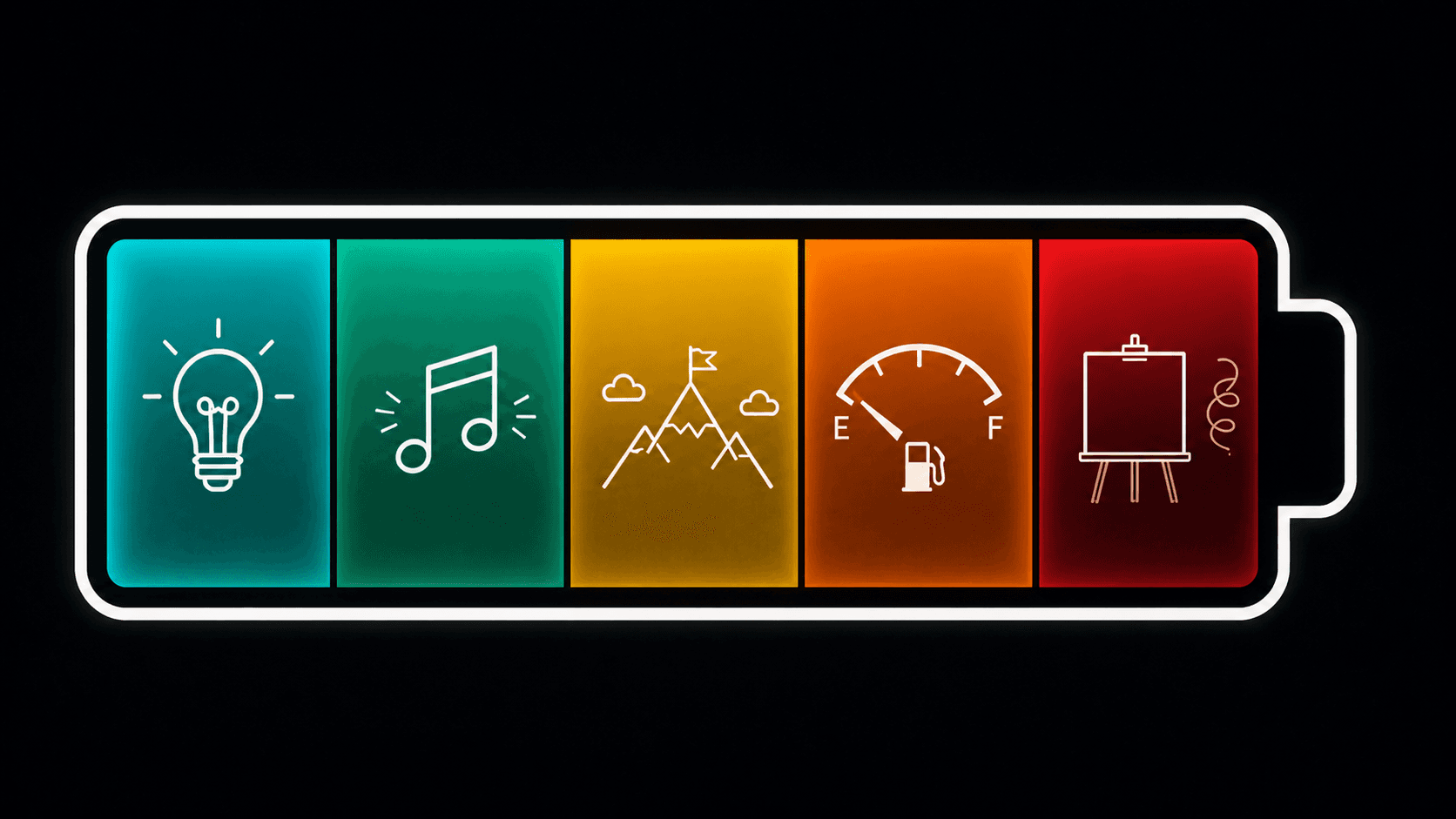
Burnout is a serious depletion of creative energy, motivation, and the sense that work is even worth doing in the first place. It happens when the demands of building consistently outpace your ability to recover and refuel.
In Web3 creator culture, the conditions for burnout are almost structurally built in:
Always-on expectations. Social media rewards constant presence. Discord communities expect regular engagement. There's always something that "should" be posted, responded to, or announced.
Public performance of passion. Creators are expected to show enthusiasm about their project, their community, and the space. Performing enthusiasm when you're depleted is exhausting in a specific, demoralizing way.
Financial and community pressure. When your creative output is also your livelihood and your community's reason for gathering, the stakes of "not feeling it" are higher. You can't just have a quiet, creative week. Or at least, it feels like you can't.
The boom-and-bust nature of the space. The NFT market moves in cycles, and the emotional rollercoaster of high hype followed by quiet periods is genuinely wearing.
The Warning Signs
Burnout rarely announces itself clearly. Here's what to watch for:
- Work that used to feel engaging starts to feel mechanical.
- You find yourself avoiding the things you used to look forward to.
- Engagement with your community starts to feel like a performance.
- You feel mild resentment toward your project; even mild resentment is a signal.
- Your output quality declines, not because of skill, but because you're not present in the work.
- You feel trapped rather than energized by your commitments.
If more than a couple of these resonate, you're probably already in some degree of burnout. That's okay. Naming it is the first step.
Prevention Is Better Than Recovery
The honest truth is that recovering from deep burnout takes much longer than preventing it in the first place. The habits that protect creative energy are worth building before you need them desperately.
Protect your creative time from productivity pressure. Making art for yourself with no plan to share it, no community expectation attached, keeps you connected to why you create.
Build in genuine rest cycles. Sustainable creative output isn't a straight line. It's a rhythm. Build in quieter periods intentionally. Give yourself permission to step back from posting intensity after launches. You don't have to maintain launch-level energy indefinitely.
Separate your identity from your project's performance. A quiet Discord, a slow week of sales, or a post that doesn't land are not reflections of your value as a creator or a person. When your self-esteem is too tightly coupled to your project metrics, every down cycle hits harder.
Notice what you're trading for engagement. If you're consistently skipping sleep, skipping meals, or skipping real-world relationships to keep up with your project, those trades will come due. Be honest about the cost before it compounds.
Communicate with your community about capacity. You're allowed to tell your community that you're taking a slower week or working on something behind the scenes. Creators who are honest about their human limitations often find their communities more understanding than they expected.
When Burnout Has Already Set In
If you're already depleted, a different set of priorities applies.
Stop trying to perform normalcy. Continuing to post enthusiastically when you're burned out usually produces work you don't feel good about and accelerates the depletion. It's okay to slow down visibly.
Take a real break if you can. Not a "pretend break" where you step back from posting but stay anxiously plugged into metrics and Discord. A genuine break for a defined period.
Do something creative with no audience. Write, draw, make music, build something just for yourself. Reconnect with the pleasure of creating before the pressure of sharing existed.
Talk to people. Burnout is partly an isolation problem. Being honest with other creators about where you are tends to help more than pretending everything is fine.
The Long Game
The creators who sustain meaningful work over years are people who've learned how to manage their creative energy intentionally. They've figured out what refuels them. They've built rhythms that allow for both output and recovery. They've made peace with the fact that not every period can be high-intensity.
Sustainable creation isn't about doing less. It's about doing the right things, in a rhythm you can actually maintain, for a long time.
At TradePort, we care about creators building things that last, and we know that means caring about the humans building them. If you're navigating a difficult period with your project and want to talk through how to structure things more sustainably, we're here. Reach out on X.